Our Location
304 North Cardinal St.
Dorchester Center, MA 02124
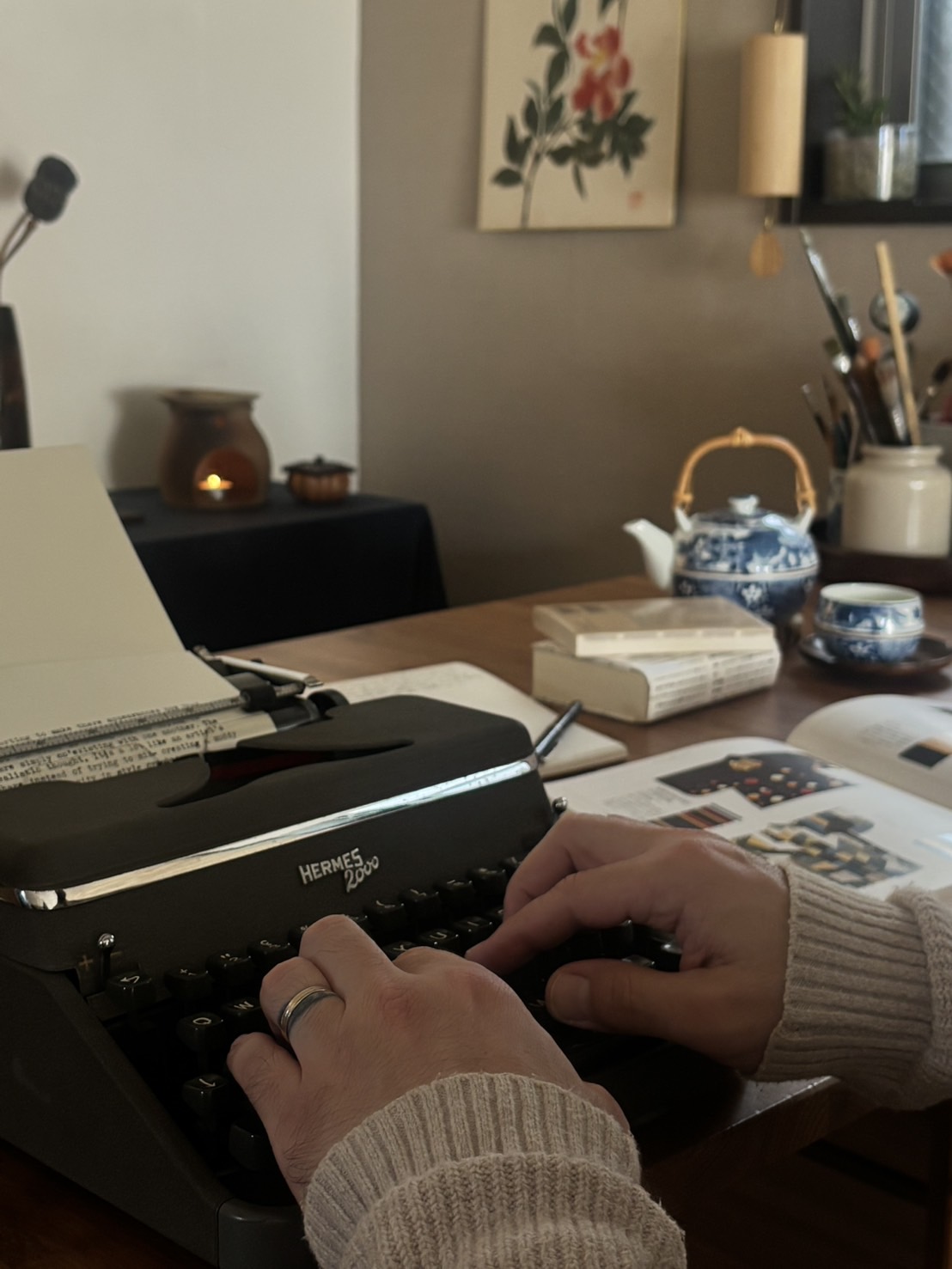
I recently purchased a typewriter because it held a kind of nostalgic feeling of a time forgotten. However, I started thinking about something that I hadn’t thought about in a long time: the relationship between writing and thought. With computers and smartphones, writing has become quick and convenient. These days, we can write without much hesitation. If we make a mistake, we press backspace. If we don’t like a sentence, we delete it and start again. Our words are almost as temporary as our thoughts, easily changed and just as easily forgotten. But sitting in front of a typewriter feels different. Each keystroke carries a little more weight. Each sentence asks for a little more consideration. To put it simply, the words that appear on the page just feel a little more special.
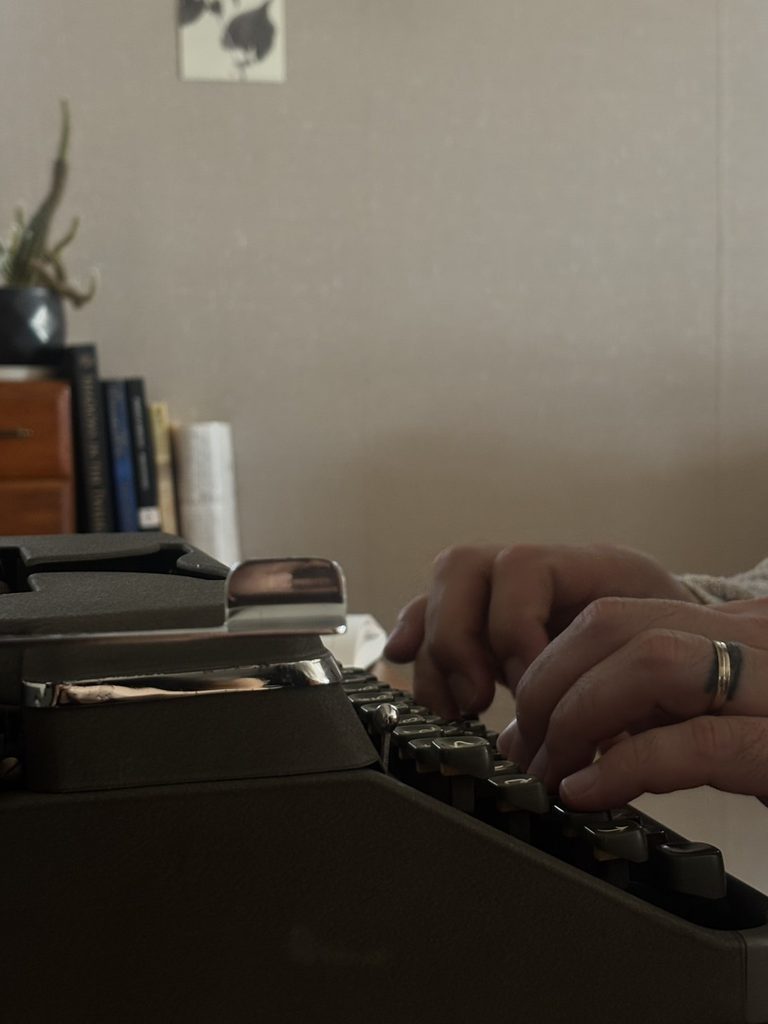
It has made me wonder what we might be missing in pursuit of convenience, and whether modern technology has changed our relationship with words. We live in such a fast-paced world that I sometimes wonder whether we’ve sacrificed thoughtfulness for convenience. Our relationship with words seems to have changed. We use abbreviations for entire phrases, often to save just a few seconds. These shortcuts have become so natural that we rarely stop to think about them.
Since the arrival of email and instant messaging, communication has become faster and more convenient than ever. But I wonder if, in our effort to keep up, we’ve lost something along the way.
Do we still take time to think about what we’re writing, or have we become so accustomed to sending words that we’ve forgotten to consider what they mean?
Before email and instant messaging became part of our everyday lives, exchanging letters through the post was a familiar way to keep in touch. Writing a letter was more than simply passing along information. It was a process in itself, one that required time, attention, and a little patience.
There were rough drafts written on scrap paper that were proof read over and over before the good paper was used. The action of pen to paper, much like the typewriter, was an act of commitment. We used to fold the paper just the right size to ensure it fit in the envelope. We had to make sure addresses were correct. The stamp had to be the correct amount. Then we put it in the post. The best part was waiting for a reply. Nothing beat checking the post everyday after returning home from school to see if something was waiting there. It’s hard to explain, but the anticipation created happiness, hope, excitement, curiosity, as well as many other feelings. Those feelings made the moment of receiving snail mail so much more special.
I miss a time when words were something we took the time to write and something we wanted to keep. We still have old letters tucked away in drawers and shoeboxes, reminders of people and moments we don’t want to forget. I wonder how many of our everyday messages will mean the same to us years from now.
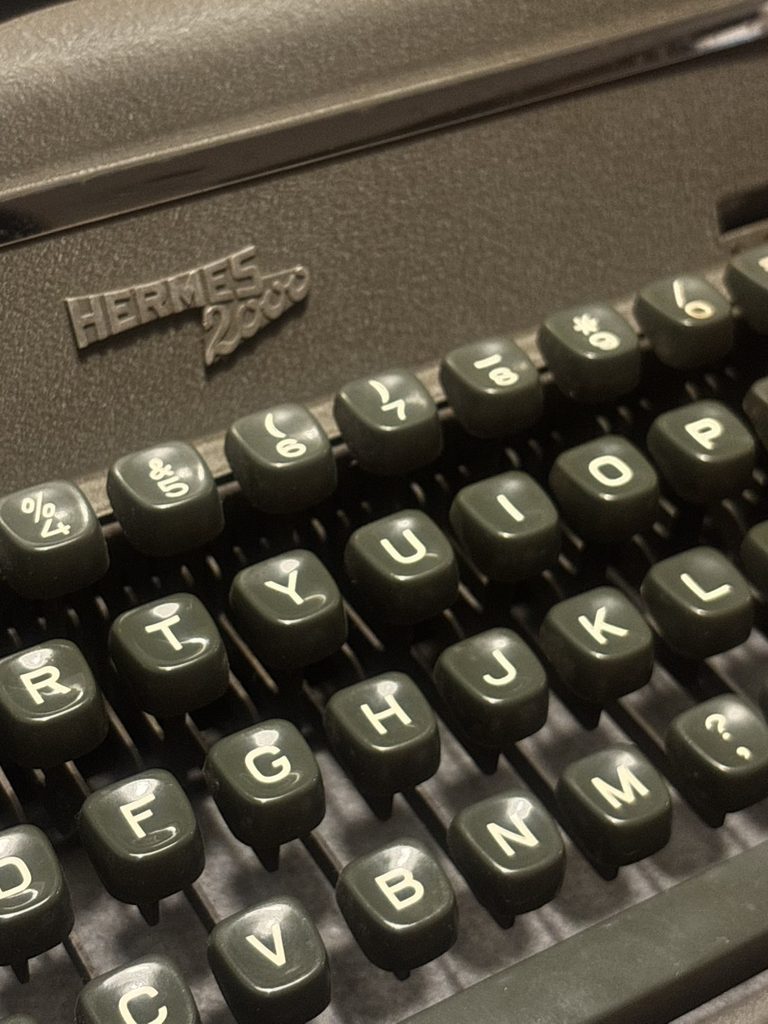
The last time I used a typewriter was when my father finally allowed me to use his in his study. At the time, I saw it as the proverbial red button, because it was always off-limits. I was excited to try my hand at typing a sentence by pushing one key after the other until the ding was heard – music to my ears. There weren’t many other times I had used it after that moment. However, I loved listening to the clacking of the keys as my father wrote short stories while puffing on a pipe.
When I was a child, the typewriter was a tool. As an adult, in the digital age, I see it as a wonderful piece of engineering used to create art. The typewriter takes me back to my childhood, but I’m no longer looking at it through the eyes of that little boy. Instead, I find myself seeing things from my father’s perspective, looking down at a curious child in the beginnings of discovering something new. I now understand his love of typing and the satisfaction of seeing each word appear on the paper, the ink forming different shades of black.
Make yourself a cup of tea, pull out some stationery, and take a little time to write. It could be a letter to someone special, a short story, or simply a few thoughts you’d like to put on paper. Use a pen, a pencil, or a typewriter. Don’t worry about writing something perfect. Just enjoy the process of choosing your words and putting them down one at a time. Then, if you’ve written a letter, put it in an envelope and send it in the post. You never know how much it might mean to the person who finds it waiting for them.
